
Your Dream Deck Starts
With a Plan
Compare contractors with confidence when everyone is pricing the same details. No surprises, Just informed decisions.
Choose Your Decking Material

Wood Decking
Pressure-treated lumber, cedar, or redwood for traditional beauty and value.
Exotic Hardwood
Low-Maintenance
Choose Your Decking Material
Wood Decking
We use AC2 pressure-treated lumber (#1 Yellow Wood), cedar, or redwood to deliver long-lasting durability, traditional beauty, and excellent value for Kansas City homes.
Exotic Hardwood
We offer Ipe, Cumaru, and Tigerwood for homeowners in Kansas City seeking unmatched durability, natural resistance to wear, and a rich, upscale appearance.
Low-Maintenance
We install composite decking from Trex, TimberTech, and Deckorators, along with AZEK PVC decking, offering Kansas City homeowners lasting beauty with minimal upkeep.
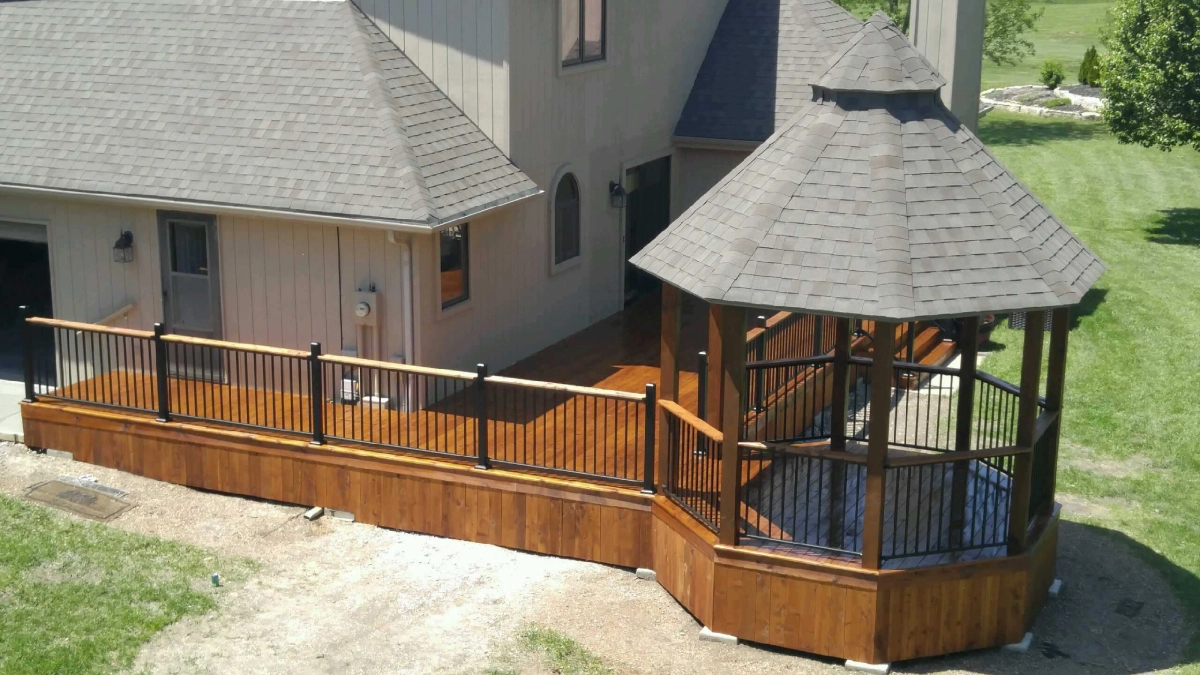
Having a clear checklist also helps when comparing multiple contractors. When everyone is pricing the same details—materials, stairs, railings, finishes, and upgrades—you’re able to compare apples to apples, avoid surprises, and make a more informed decision. You don’t need to know every answer — this guide simply helps start the conversation and ensures nothing important is overlooked.
Planning a deck doesn’t have to be complicated. Johnson County Deck Builders checklist guides Kansas City homeowners through the key decisions that influence deck design, pricing, and construction, helping you feel confident before requesting an estimate.
Having a clear checklist also makes it easier to compare multiple contractors. When everyone is pricing the same details—materials, stairs, railings, finishes, and upgrades—you can compare apples to apples, avoid surprises, and make more informed decisions.
You don’t need to have every answer. This guide is designed to start the conversation, clarify expectations, and ensure nothing important is overlooked during the deck planning process.
what we offer
Deck Size and Optional Features
Deck Board Installation Methods
Decking Material
Options
Railing and Handrail Options
Wood Deck Finishes and Protection
Covered Decks, Screen Rooms, and Seasonal Spaces
what we offer
Deck Size, Layout & Custom Features
Deck Lighting Design & Electrical Options
Railing, Handrail & Gate Systems
Wood Deck Finishes, Sealing & Protection
Covered Decks & Outdoor Living Structures
Screen Rooms & Seasonal Outdoor Spaces
Ready to Take the Next Step?
Frequently Asked Questions
Yes. Many homeowners choose covered decks, screen rooms, or seasonal rooms. We work with SCREENEZE® screening systems and TuffScreen® materials for screen rooms, and can help determine whether a three-season or four-season room makes sense for your goals.
No. The checklist and estimate form are designed to start the conversation, not finalize every decision. If you’re unsure about materials, layout, or features, we’ll help guide you through those choices.
A checklist helps ensure each contractor is pricing the same scope of work. When materials, railings, stairs, and upgrades are clearly defined, you can compare estimates more accurately and avoid surprises during construction.
In most cases, yes. Permit requirements vary by city, deck height, and scope of work. We help identify when permits are required and make sure the project is planned to meet local building codes.
Other Important Considerations
Wood Movement in All Wood Decks
All wood decks — especially those built with pressure-treated lumber — will shrink, twist, and move over time as the wood dries and acclimates to the environment. This is a normal characteristic of wood and does not indicate poor workmanship or material quality. Understanding this upfront helps set realistic expectations for how a wood deck will look and perform over time.
Existing Sprinkler Systems and Buried Utilities
If a new deck is being built with a different footprint than an existing deck, underground items can come into play. Sprinkler lines, drainage, gas lines, electrical lines, or other buried utilities may need to be located, adjusted, or protected. These conditions can affect labor, layout, and overall project scope.
Identifying these factors early helps avoid delays, unexpected costs, and changes once construction begins.
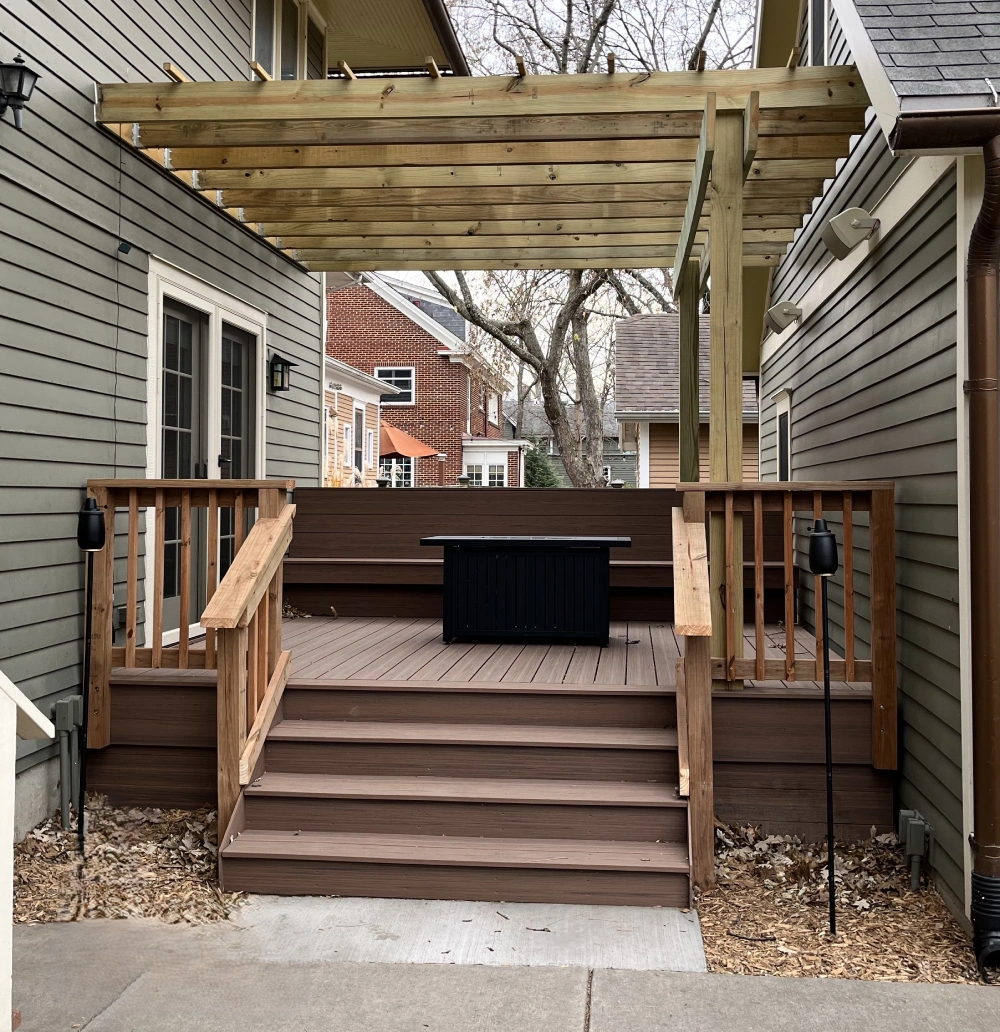
Decking Manufactures
- Deckorators
- Timber Tech
- Fiberon
- Azek
- Trex
- Railing Manufactures
- DekPro
- Feeny Cable
- Deckorators
- Westbury
- Screen Rooms
- SCREENEZE
- Tough Sceen
Service area
- Kansas city
- Lawrence
- Leawood
- Lenexa
- Leavenworth
- Overland Park
- Shawnee Mission
- Olathe
- Basehore
- Tonganoxie
- Lansing
- Piper